Dominant and Recessive Alleles: What Do They Mean?
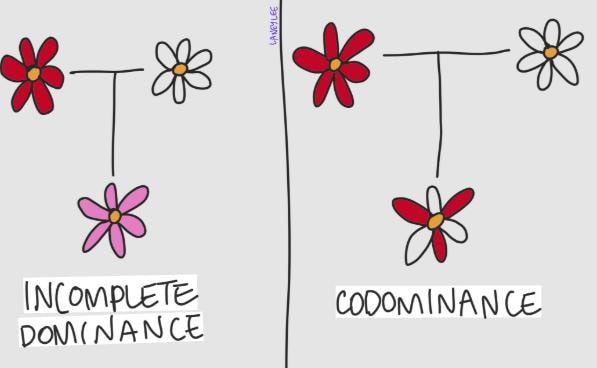
When one allele masks the effect of another, it is called dominant. When an allele's effect is only visible without a dominant partner, it is recessive. Here's how inheritance patterns work in practice.
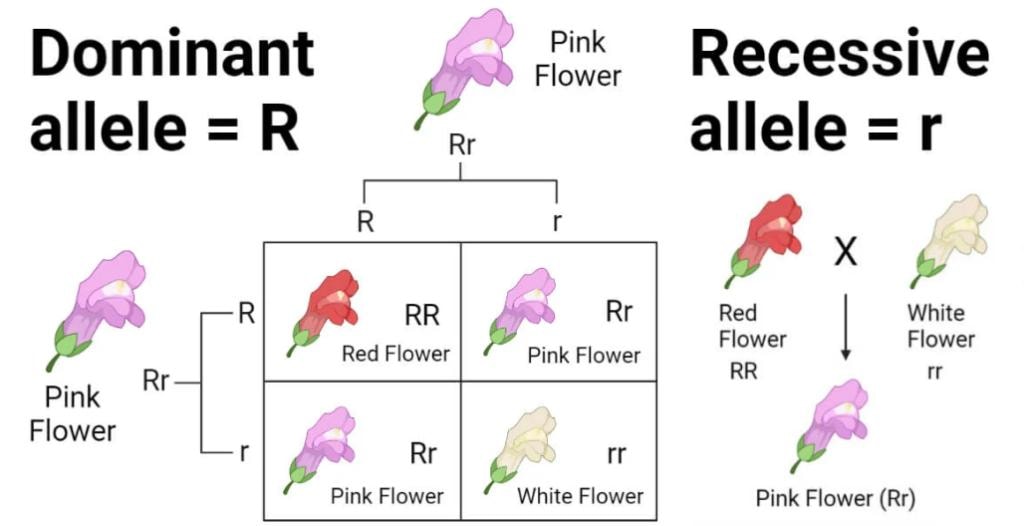
The terms "dominant" and "recessive" describe how alleles interact when two different versions of a gene are present in the same person.
Dominant Alleles
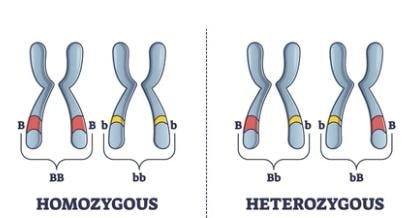
An allele is dominant when its effect is visible even if only one copy is present. If you carry one dominant allele and one recessive allele for a given gene, the dominant allele's effect is what you observe.
In autosomal dominant conditions, a single copy of a pathogenic variant is enough to cause or significantly increase risk of a condition. Examples include BRCA1 and BRCA2 pathogenic variants (which increase cancer risk), Huntington disease, and familial hypercholesterolemia caused by LDLR variants.
Recessive Alleles
An allele is recessive when its effect is only visible if both copies of the gene carry that version. A person with one pathogenic recessive allele and one normal allele is called a carrier. Carriers typically do not develop the condition but can pass the allele to their children.
If two carriers have children, each child has:
- A 25% chance of inheriting two pathogenic alleles (affected)
- A 50% chance of inheriting one pathogenic allele (carrier)
- A 25% chance of inheriting no pathogenic alleles
Examples of autosomal recessive conditions include cystic fibrosis, sickle cell disease, and phenylketonuria (PKU).
X-Linked Inheritance
Genes on the X chromosome follow a different pattern. Because males have only one X chromosome, a single recessive allele on the X chromosome can cause a condition in males that would require two copies to affect females.
Hemophilia A and Duchenne muscular dystrophy are examples of X-linked recessive conditions.
Why Inheritance Patterns Matter
Knowing whether a condition follows a dominant or recessive pattern helps predict:
- The likelihood that other family members are affected or are carriers
- The risk of passing a condition to children
- Whether cascade testing of relatives is appropriate
At Genetic Insights, we help patients understand what their results mean for themselves and their families.
Key Takeaway: Dominant alleles show their effect with one copy; recessive alleles require two copies. Inheritance pattern determines family risk and guides decisions about testing relatives.
Source: MedlinePlus Genetics
Explore Topics
Written by
Dr. Michael P. Vaughn
Content creator and writer sharing insights and stories.